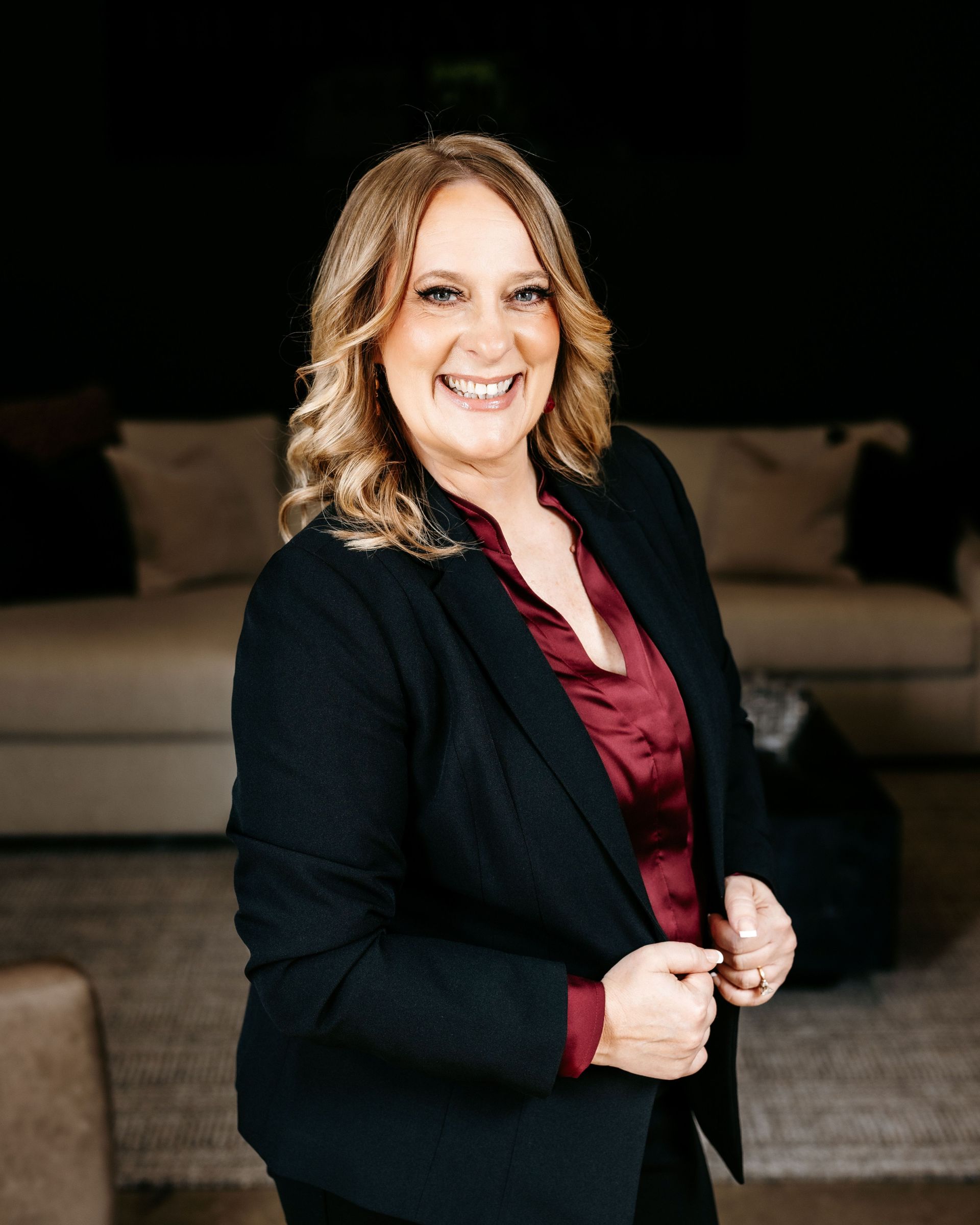
Aspire OT Founding Partner and occupational therapist, Kimberly Breeden, MS, OTR/L.
For those of you who have had read any of my blogs, you know that my writing style is almost always first person. I share my own experiences that include failures as well as successes, perspectives and often feelings. I do not claim to be right. In fact, I am often wrong. But I aim to be real and true to myself as often as I can. I find that understanding myself, helps me be able to relate to my clients' experiences.
Empty space, drag to resize
Founding and running Aspire OT with Niccole has been an amazing opportunity, but like most worthwhile endeavors, it has required sacrifices. In my case, that sacrifice has been time. As we have been on our entrepreneurial journey, I also worked a full-time clinical or academic job while continuing to be a mother. COVID and the care needs of family members posed additional challenges and stresses. Life is funny, because when it rains it seems to pours. Please know, I am grateful for the roles and opportunities that led to these demands. I am grateful to have the opportunity to create Aspire OT and to find a workmate that loves the profession as much as I do. I am even more grateful to have children and family, what a blessing to have so much love in one lifetime. Shout out to my amazing husband and family who have provided their full support through all of this.
At the end of last year, it became obvious that I could not meet my professional obligations to my job that I loved as an associate professor, as well as Aspire OT. The demands were too much and I was having difficulty focusing on anything else. I was proud of myself for managing "all of the things" but it was no longer possible to do anything well. The decision was made to take the leap and work at Aspire OT full time. During that same time, my husband and I became empty nesters. I said earlier that when it rains, it pours. Suddenly there was no rain in sight. I now had only one job, one professional endeavor to focus on. This significant change in pace should have resulted in positive things, right? I had more spare time than I have had in 30 years. I rested, I leisured, I did nothing. Why did I still feel so unsettled? Why did I still feel stressed even though I had reduced my pressures and demands significantly? Why did I not feel better?
Empty space, drag to resize
Then my husband and I decided that maybe we should downsize our home. Like only he and I can do, we gave ourselves a very tight deadline to get the house ready to go on the market even though our busy lives had resulted in minimal home projects being completed for many, many years. Here I went again, taking on more than I should have. We spent 8 weeks in intense work mode. We cleaned, organized, sorted, painted and completed minor home improvements. I had less spare time than ever, but during this time something unexpected happened. As I painted and cleaned after working all day, I should have been tired and stressed. Instead, I felt better and somehow more like myself than I had in a long time. The longer this went on, the more improvements I noticed. For me, this type of work was therapeutic, it gave my hands something to do while my mind processed things and, at times, wandered. Day after day, I was being restored, not through rest, relaxation or “taking care of myself”, but through engagement in purposeful occupations. I became more in tune with my values, desires, emotions, faith and goals. I had gained a new mental clarity, peace and joy.
Empty space, drag to resize
I must admit, I was surprised by the realization that what I had considered mundane tasks, were life-changing occupations. I had considered them insignificant, just chores that were not glamorous or exciting. They were, however, productive and purposeful, which made them meaningful in a practical way. Painting and cleaning were beneficial for me because the physical demands were greater than the cognitive and emotional ones. Like the task demands, the benefits were holistic. I was using my whole body with every repetitive movement and the soreness in the mornings confirmed that I was building strength. I felt better physically, but the greatest benefit was seeing my newly painted hallway every morning and knowing that I did that! This was information that I was familiar with, it is all there in our practice framework (AOTA, 2020), but I was experiencing the health and well-being benefits of occupational engagement in a way I had never done before.
I also have experienced the power of occupation as I was raising my children and now when I spend time with my grandson. I can buy all of the toys in the world, but they would rather “help”. Young children love to help do the things that they see the adults in their lives doing. Cooking, gardening and washing the car bring a sense of pride and accomplishment. If you think about it, it really is the simple things that make life so gratifying.
You may be wondering why I felt that I should share this experience. It occurred to me that as OT practitioners, it can be easy to underestimate the therapeutic power of everyday occupations. As I reflect on my practice, I can think of several situations where I overlooked the benefits of purposeful activity and encouraged a client to let available assistance take care of it for them. In other settings, I have addressed purposeful activities such as painting, organizing, sorting, and home improvements at the client’s request or in the absence of someone to assist. In retrospect, in those situations I don’t think that I fully considered the benefits of those occupations to include stress reduction, self-awareness or reflection.
As technology becomes a bigger part of daily life, people are seeking connection and purpose. Ordinary purposeful occupations often require the use of our bodies and minds and relate to our humanity in ways that virtual activities cannot. We see an example of this in the increased interest of the younger generation in occupations such as sewing, knitting, and quilting. These occupations are no longer needed for survival, but they are being explored in pursuit of the need for purpose and connection. Our world is changing rapidly and we see a rise in poor mental health and mental distress (Udupa et al., 2023). The occupational therapy profession has an opportunity to promote the benefits of purposeful occupations and support individuals not only to return to engagement in these occupations but also to explore new purposeful occupations to improve their health, well-being and quality of life. I was drawn to occupational therapy as a profession because I could see the benefits of occupation for recovery. 30 years later, I am committed to the profession because I see the need for occupation not just for recovery, but for health, well-being and quality of life.
References:
American Occupational Therapy Association. (2020). Occupational therapy practice framework: Domain and process (4th ed.). American
Journal of Occupational Therapy, 74(Suppl. 2), 7412410010. https://doi.org/10.5014/ajot.2020.74S2001
Udupa, N. S., Twenge, J. M., McAllister, C., & Joiner, T. E. (2023). Increases in poor mental health, mental distress, and depression symptoms among U.S. adults, 1993–2020. Journal of Mood and Anxiety Disorders, 2,
Empty space, drag to resize