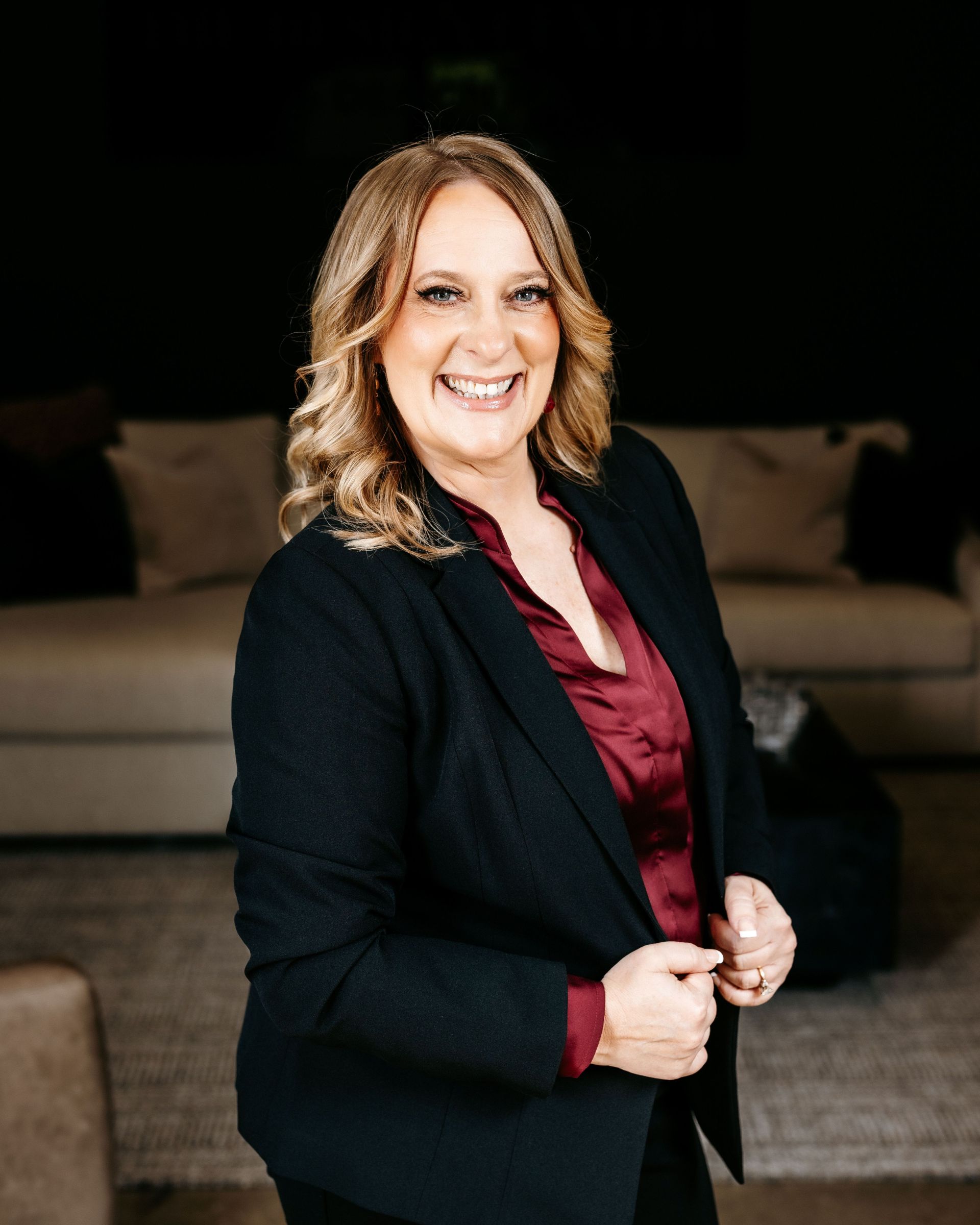
Aspire OT Founding Partner and occupational therapist, Kimberly Breeden, MS, OTR/L
Part 1 of the 4 week series, Embracing the Meaningful Occupations of the Holidays
Introduction
The holiday season is one of my favorite times of the year. It is a time that holds tremendous personal meaning for me, and I look forward to many of the traditions and experiences that are unique to this season.
For many of us, this time of year provides opportunities to engage in occupations that reflect our faith, cultural traditions, personal values, and relationships with others. Whether it is gathering with family and friends, participating in religious or cultural celebrations, preparing a favorite family recipe, giving to others, or taking time to reflect, these occupations can contribute to our sense of identity, connection, purpose, and well-being. For some, however, this can be a difficult time of year impacted by grief, depression, and loneliness. We will explore these experiences in future blogs.
As occupational therapy practitioners, we have a unique appreciation for the significance of these experiences. We understand that the meaning associated with an occupation is often just as important as the activity itself.
But the holiday season also presents an interesting occupational challenge.
Our everyday responsibilities don't disappear to make room for the additional occupations of the holidays. We still have professional responsibilities, families to care for, households to manage, and, for many of us, caregiving responsibilities.
This has me reflecting on a question:
How can we use our unique understanding of occupation to help ourselves and others experience the meaning and joy of the holiday season?
Empty space, drag to resize
The Significance of Holiday Occupations
I read an article published in the Australian Occupational Therapy Journal that made me reflect on how much attention we give to holiday occupations in our professional practice.
Granbom and colleagues (2024) explored the experiences of 17 older adults in Sweden whose holiday traditions and celebrations were disrupted during the COVID-19 pandemic.
The researchers found that many participants continued to place considerable importance on celebrating holidays, even when they had to change how they participated. Some were willing to modify the location, timing, or activities associated with their celebrations to preserve opportunities for meaningful participation.
Although this study examined experiences during the pandemic, I think it raises some interesting questions for us as OT practitioners.
I thought it was interesting how Granbom and colleagues (2024) described occupational therapy’s focus as often being on activities of daily living rather than activities of life. In other words, we spend a great deal of time considering the occupations our clients engage in on a daily basis. But how often do we explore the significance of occupations that may only occur once or twice a year?
Preparing a traditional holiday meal, attending a religious celebration, decorating a home, selecting gifts for loved ones, or participating in a family gathering may not be part of someone's everyday routine. However, these occupations may hold tremendous personal significance.
And sometimes it is the preparation for these celebrations, rather than just the celebration itself, that brings us joy.
As OT practitioners, are we giving enough consideration to these occupations when exploring what is meaningful to our clients and their caregivers?
Empty space, drag to resize
What Does Occupational Balance Really Mean?
As occupational therapy practitioners, we recognize the importance of occupation in supporting health and well-being. The Occupational Therapy Practice Framework (OTPF-4) provides us with a foundation for understanding how our occupations, roles, routines, habits, rituals, values, beliefs, spirituality, and contexts influence our occupational performance and participation (American Occupational Therapy Association, 2020).
But what does occupational balance actually mean?
In a concept analysis that included 43 articles, Wagman and colleagues (2012) described occupational balance as an individual's perception of having an appropriate amount and variety of occupations.
What I like about this definition is its emphasis on the individual's perception. It is not an objective measure but rather depends on the individual’s experience.
Occupational balance does not necessarily mean spending equal amounts of time working, resting, caring for others, and engaging in leisure activities. It also doesn't necessarily mean maintaining the same routines throughout the year.
My occupational balance during the holiday season may look very different from my occupational balance in January.
I may choose to spend more time preparing meals, participating in holiday events, engaging in spiritual practices, or, most importantly, gathering with family and friends. These additional demands on my time and energy may be worthwhile because of the meaning and satisfaction I experience through participating in them.
Perhaps the question isn't how we can maintain our usual occupational balance during the holidays, but how we can create an occupational balance that allows us to embrace the unique meaning and joy of this season.
Empty space, drag to resize
Being Busy Doesn't Necessarily Mean We Are Experiencing Occupational Imbalance
I think there is an important distinction between being busy and being overwhelmed. I feel that the current perception in our society is that busyness is the opposite of well-being.
We may have a particularly busy holiday season and still experience a tremendous sense of fulfillment from the occupations in which we are participating. In other words, being busy can coexist with a sense of well-being.
On the other hand, someone with fewer scheduled responsibilities may experience occupational imbalance because they are unable to engage in the occupations that are most meaningful to them, which may negatively affect their well-being.
This is one of the reasons I think our understanding of occupation is so valuable.
We recognize that occupational participation cannot be fully understood simply by looking at how someone spends their time. We also need to consider their interests, values, beliefs, roles, routines, abilities, environment, and personal circumstances.
The Occupational Therapy Practice Framework (OTPF-4) recognizes habits, routines, roles, and rituals as performance patterns that influence occupational performance and participation (American Occupational Therapy Association, 2020).
During the holidays, many of us temporarily change these patterns to accommodate occupations that are important to us.
Perhaps we should be intentional about those changes rather than expecting ourselves to maintain every existing routine while adding all of our holiday traditions. This is something I don’t think I’ve considered in the past, but it makes sense to me.
Empty space, drag to resize
Making Room for the Meaningful Occupations of the Holidays
Have you ever looked forward to a particular holiday tradition, only to find yourself so focused on getting everything accomplished that you had little opportunity to enjoy it? I know I have.
Consider preparing a holiday meal.
For one person, the opportunity to spend hours in the kitchen preparing traditional family recipes may be one of the most meaningful experiences of the season.
For another person, preparing that same meal may interfere with what they value most: spending time with family and friends.
And for someone who has always enjoyed preparing a holiday meal, additional professional or caregiving responsibilities may change how they experience that occupation.
The occupation itself may not have changed, but the circumstances surrounding it have.
As OT practitioners, we routinely consider the interaction between the person, the occupation, and the environment when helping our clients achieve their occupational goals.
What if we applied that same reasoning to our own holiday experiences?
Rather than automatically eliminating an occupation because it requires considerable time or energy, could we identify ways to modify the demands surrounding it so that we can continue to participate in it meaningfully?
Perhaps there are other responsibilities we can modify, share with others, or temporarily reorganize to make room for the experiences we value most.
Empty space, drag to resize
Considering the Occupational Needs of Caregivers
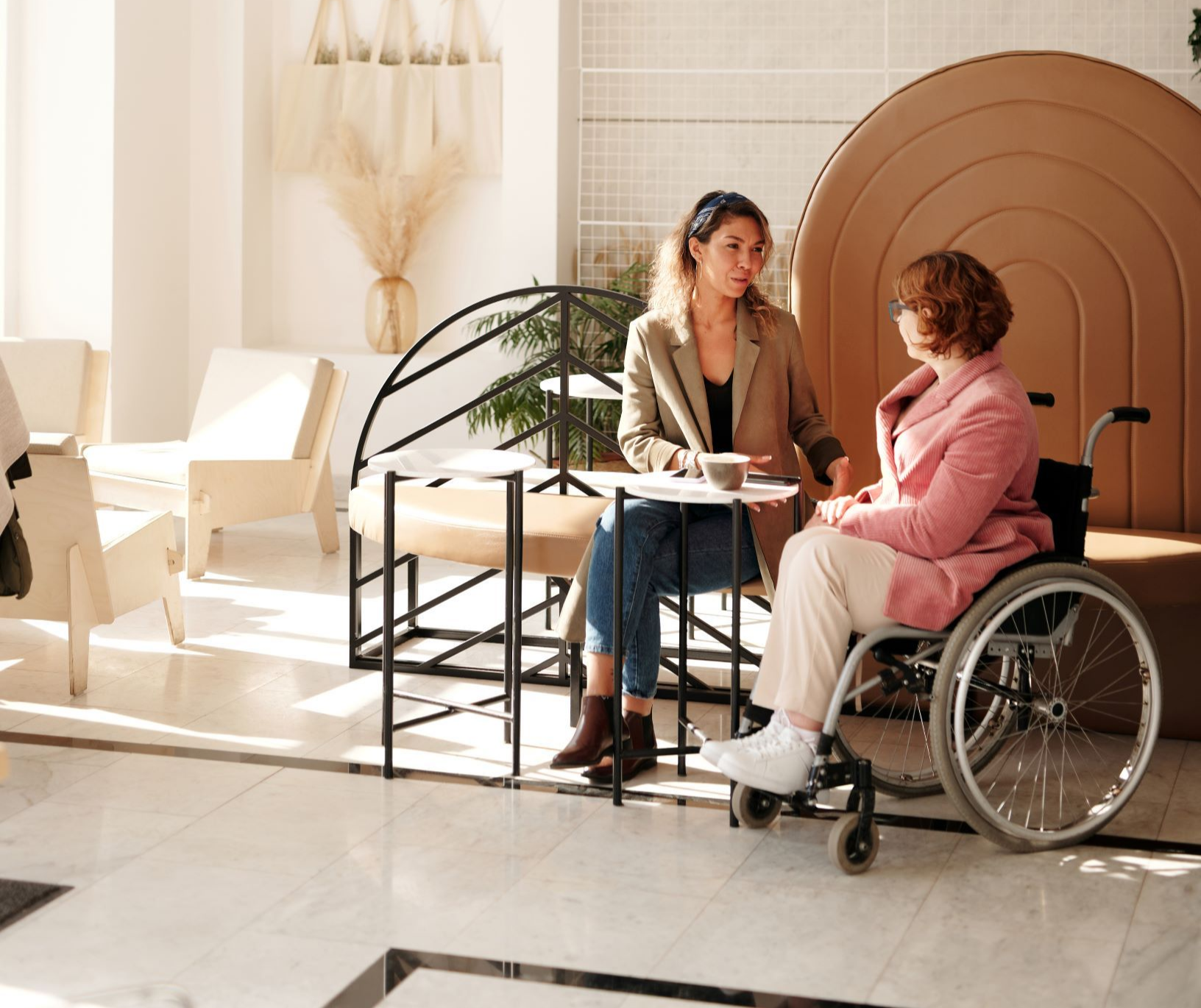
For family caregivers, making room for meaningful holiday occupations may be especially challenging.
A caregiver may want to participate in a religious celebration, visit with friends, prepare a traditional meal, or continue a cherished family tradition. However, their caregiving responsibilities may limit their opportunities to do so.
Research involving 118 informal caregivers of older adults identified significant associations between occupational balance and measures of perceived health and well-being (Roschel et al., 2022). While this cross-sectional study cannot establish cause and effect, it reinforces the importance of considering caregivers' occupational needs.
When we work with clients who rely on family caregivers, are we asking caregivers about the occupations that are meaningful to them?
Are we considering how our recommendations might influence their routines, responsibilities, and opportunities for meaningful participation?
What can we do to support caregivers in participating in those holiday occupations while meeting their caregiving responsibilities?
And what about those of us who are both OT practitioners and family caregivers?
We may spend much of our professional lives helping others participate in meaningful occupations while finding it challenging to create opportunities for our own participation.
Recognizing our own occupational needs is not inconsistent with caring for others. Our needs deserve consideration as well.
Applying Our OT Lens to the Holidays
As we begin this holiday season, perhaps we can take some time to reflect on our own occupations and encourage the caregivers we support to do the same.
Rather than starting with a list of everything we need to accomplish, what if we started with a few different questions?
• What makes this time of year meaningful to me?
• Which holiday occupations bring me the greatest sense of joy, connection, purpose, or fulfillment?
• How can I create opportunities to fully engage in those occupations?
• Are there other responsibilities that could be modified, shared, or reorganized to support my participation?
• How can I help the people I care for experience the meaning and joy of the season while also honoring my own occupational needs?
Not every responsibility can be changed, and not everyone has access to the same resources or support. But identifying what matters most to us may help guide the decisions we are able to make.
Perhaps achieving occupational balance during the holidays isn't necessarily about finding ways to do less. Perhaps it's about being intentional about how we engage in the occupations that are most meaningful to us.
As occupational therapy practitioners, we have a unique understanding of the relationship between occupation, health, and well-being.
What a wonderful opportunity this holiday season presents for us to apply that knowledge—not only to support our clients and their caregivers, but also to support ourselves.
Rather than simply managing the demands of the holiday season, how can we help ourselves and others truly experience its meaning and joy?
Empty space, drag to resize
In Part 2 of our holiday series, When the Holidays Feel Different: An Occupational Therapy Perspective, we'll explore how changes in our lives and occupational participation can influence our experience of the holidays. We'll consider how we, as OT practitioners, can recognize and support those for whom this season may be a difficult time.
From all of us at Aspire OT, we wish you a meaningful holiday season.
Empty space, drag to resize
References and Further Reading
American Occupational Therapy Association. (2020). Occupational therapy practice framework: Domain and process (4th ed.). American Journal of Occupational Therapy, 74(Suppl. 2), 7412410010. https://doi.org/10.5014/ajot.2020.74S2001
Granbom, M., Jonsson, O., Carlsson, G., Fristedt, S., Stormstege, E., Martinsson, E., & Kylén, M. (2024). ‘Normality in all the abnormality’—Older adults’ experiences of holidays and celebrations from the COVID-19 pandemic. Australian Occupational Therapy Journal, 71(5), 661–673. https://doi.org/10.1111/1440-1630.12949
Roschel, A., Wagner, C., & Dur, M. (2022). Associations between occupational balance, subjective health, and well-being of informal caregivers of older persons based on a cross-sectional study. BMC Geriatrics, 22(1), Article 445. https://pubmed.ncbi.nlm.nih.gov/35596125/
Wagman, P., Håkansson, C., & Björklund, A. (2012). Occupational balance as used in occupational therapy: A concept analysis. Scandinavian Journal of Occupational Therapy, 19(4), 322–327. https://doi.org/10.3109/11038128.2011.596219