Neurodiversity-affirming OT Approaches with Autistic Clients across Settings
Registered already, but still seeing the enroll prompt? Click here to sign in.
This course is discounted for VOTA members.(Registration Guide)
Neurodiversity-affirming OT Approaches with Autistic Clients across Settings
Friday, July 31
6 pm (EDT)
$20 (Free for VOTA Members)
1.5 Contact Hour
This course introduces the Principles of Neurodiversity Affirming Practice in contrast to traditional Pathology Paradigm, and presents strategies for how to translate core principles into OT practice approaches with autistic clients across settings. Focus will be on centering autistic people’s lived experience in demystifying autism and identifying affirming treatment approaches through utilization of the Lived Experience Informed Practice Framework.
Essential terminology (neurodiversity, neurodivergent, neuronormativity, ableism, Double Empathy Problem, Ausocial) will be defined to support the identification of common stigmas, to support understanding of occupational justice considerations for autistic persons across practice settings, and to support evaluation of personal biases that create barriers to client-centered treatment outcomes. Practical tools for application of learning will be provided across the treatment process through the use of the Person-Environment-Occupation (PEO) model (chart review, goal writing, environmental adaptation, intervention selection, and advocacy).
Target Audience: Occupational therapists, occupational therapy assistants, occupational therapy students
Presented by:
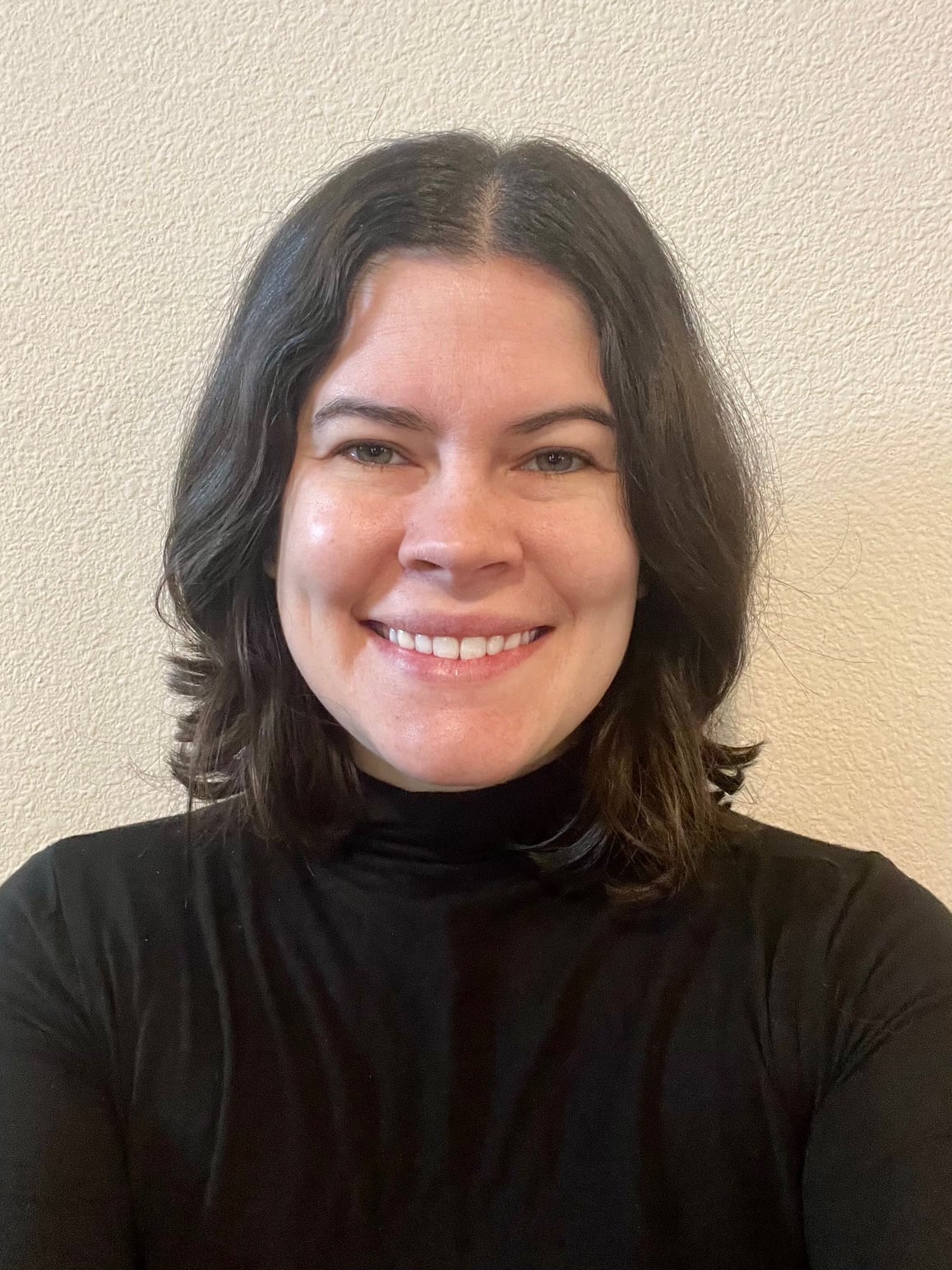
Jordan Andrews Noah, she/her, OTD, OTR/L, QMHP
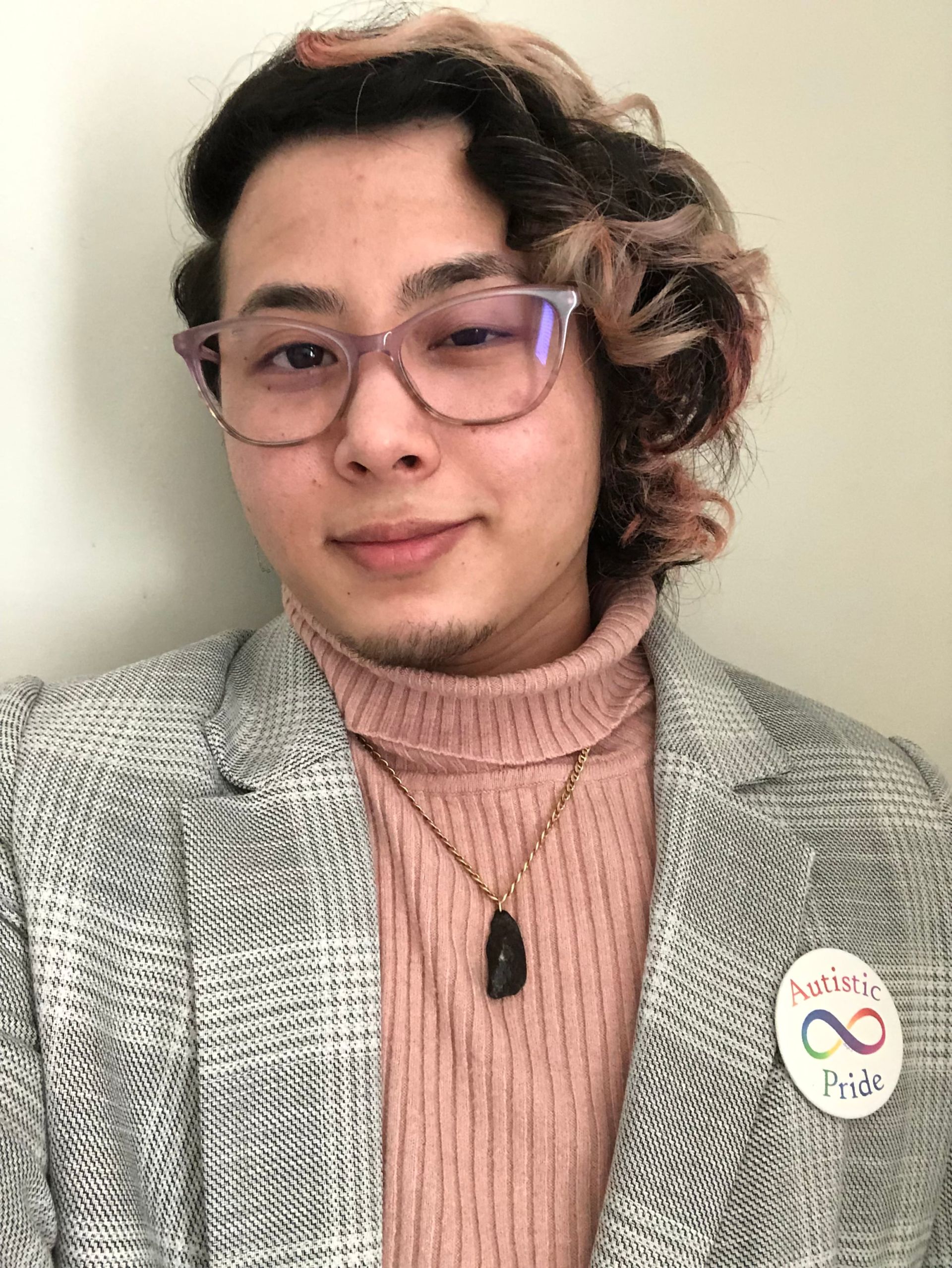
Dae Diamond-Melendez, they/them, OTD, OTR/L, QMHP
Essential terminology (neurodiversity, neurodivergent, neuronormativity, ableism, Double Empathy Problem, Ausocial) will be defined to support the identification of common stigmas, to support understanding of occupational justice considerations for autistic persons across practice settings, and to support evaluation of personal biases that create barriers to client-centered treatment outcomes. Practical tools for application of learning will be provided across the treatment process through the use of the Person-Environment-Occupation (PEO) model (chart review, goal writing, environmental adaptation, intervention selection, and advocacy).
Target Audience: Occupational therapists, occupational therapy assistants, occupational therapy students
Presented by:
Jordan Andrews Noah, she/her, OTD, OTR/L, QMHP
Dae Diamond-Melendez, they/them, OTD, OTR/L, QMHP
Course Author
© Copyright Aspire OT 2026. All rights reserved.