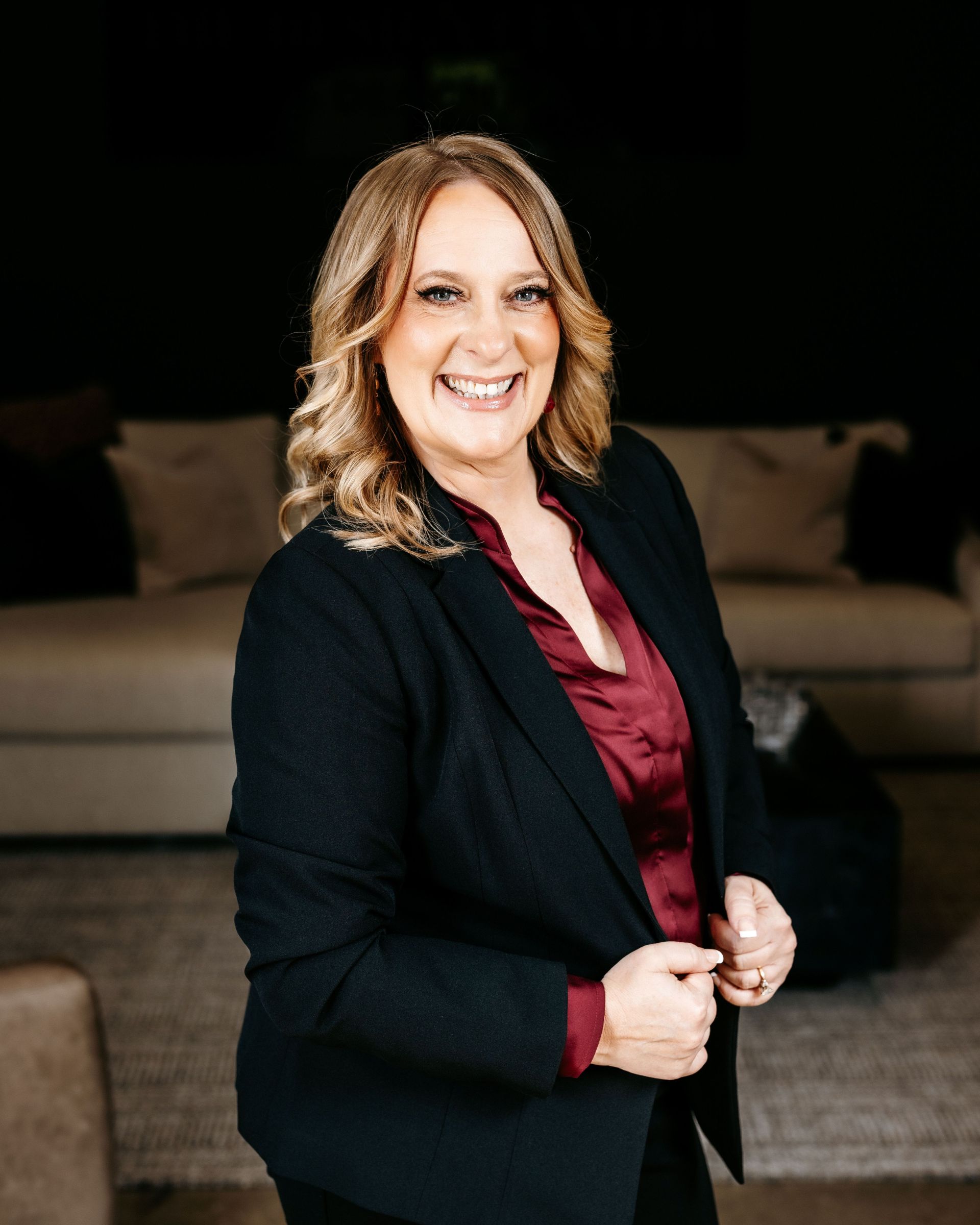
Aspire OT Founding Partner and occupational therapist, Kimberly Breeden, MS, OTR/L
In August 2026, the American Heart Association (AHA) and American Stroke Association (ASA) released an updated guideline for adult stroke rehabilitation and recovery, replacing the 2016 guideline. A lot can change in ten years, including the research that informs rehabilitation practice.
As occupational therapy practitioners, we know recovery after a stroke involves much more than addressing physical impairments. It also involves helping people return to meaningful activities, responsibilities, and roles. It makes sense to have a comprehensive guideline to influence practice.
When I learned about the updated guideline, I was curious: What has changed? What remains consistent? And are there specific treatments that are no longer recommended? I wanted to explore the guideline and share the information.
One of the things that I was pleased to see is that the team that authored the guideline included 6 occupational therapy practitioners, as part of the team of physicians, nurses, speech language pathologists, physical therapists and other healthcare professionals.
Empty space, drag to resize
Looking Beyond Physical Recovery
The AHA/ASA’s 2026 guideline addresses physical functioning, cognition, communication, emotional well-being, caregiver support, and participation in everyday activities. Its “Top Things to Know” summary emphasizes periodic reassessment and opportunities to re-engage in rehabilitation as needs change.
As a practitioner of over 30 years, one statement really resonated with me, ”Recovery is therefore not a return to a previous self but the development of a resilient new self.”(p.1)
That is powerful and having this perspective can not only shape us as OT practitioners, but the stroke survivor and the family in an impactful way.
Empty space, drag to resize
Ten Years of Research: What Has Changed?
The 2016 guideline already addressed coordinated rehabilitation, community-based participate, return to work and driving, and caregiver involvement. The following are areas highlighted or given updated attention in the 2026 guidance—not necessarily topics introduced for the first time.
Recovery over time
The 2026 summary explicitly emphasizes periodic reassessment after discharge and the possibility of returning to rehabilitation when new needs emerge.
For many OT practitioners who have been treating as long as I have, this is a big change. When I first began my practice in in-patient rehabilitation, it was believed that we had a one-year window in which the client could demonstrate progress with therapy services.
Technology and telerehabilitation
The 2016 guideline discussed technology-assisted rehabilitation. The 2026 summary specifically highlights telehealth as a consideration when travel to a rehabilitation clinic is difficult, including its role in access and continuity of care.
Care partners
Both guidelines recognize caregiver involvement. The 2026 summary expressly emphasizes education and training that supports care partners’ own well-being as well as the recovery of the person receiving care.
As a practitioner over the years I have come to realize how important it is to address the care partner’s well-being as well as the client’s.
Mental health and fatigue
The 2016 guideline addressed poststroke depression. The 2026 materials emphasize screening for depression and anxiety at different points in recovery.
I think this is a significant opportunity for occupational therapy to utilize our psychosocial skills and training.
Participation, work, and driving
Return to work and driving were already discussed in 2016. The updated guideline revisits these areas alongside broader attention to self-care, home management, social participation, education, and community roles.
Empty space, drag to resize
Have Any Treatment Recommendations Changed?
An updated guideline does not mean that previously discussed interventions should automatically be abandoned. A treatment can be retained, revised, or evaluated differently for a specific outcome.
Understanding Class of Recommendation and Level of Evidence
When reading an AHA/ASA recommendation, two ratings help explain what it means. The Class of Recommendation (COR) indicates how strongly an action is recommended, considering its expected benefits and risks.
- Class 1 indicates a strong recommendation
- Class 2a indicates a moderate recommendation
- Class 2b indicates a weaker recommendation
- Class 3: No Benefit indicates that an intervention has not demonstrated benefit for the specified purpose
- Class 3: Harm indicates that risks outweigh benefits.
The Level of Evidence (LOE) describes the quality and type of research supporting the recommendation:
- Level A reflects high-quality evidence
- B-R and B-NR indicate moderate-quality randomized and nonrandomized evidence, respectively
- C-LD and C-EO indicate limited data and expert opinion.
COR and LOE are determined separately. A strong recommendation does not automatically mean the supporting evidence is Level A.
This is why the exact intervention, outcome, Class, and Level of Evidence matter when interpreting the recommendations below. For the full rating definitions, see the AHA/ASA guideline summary and classification tables
Recommendation Worth Mentioning:
One comparison worth examining involves neurodevelopmental approaches, including Bobath. The 2016 guideline described the comparative effectiveness of neurodevelopmental approaches versus other motor-retraining interventions as not established. The 2026 guideline contains Class 3: No Benefit recommendations against specified neurodevelopmental approaches for improving walking and mobility, and against neurodevelopmental training for improving upper-limb motor skills and strength.
These recommendations concern particular interventions and outcomes. “No Benefit” should not be described as “Harm,” nor should the statements be expanded into a prohibition on every form of hands-on intervention, positioning, or movement facilitation. For exact wording, context, and evidence classifications, readers should consult the full guideline.
Empty space, drag to resize
The updated guideline continues to recognize coordinated multidisciplinary care, restorative and compensatory approaches, sufficient task practice, standardized assessments, and the importance of meaningful participation. These themes are familiar to occupational therapy practitioners and remain central to the AHA/ASA’s take-home messages.
Empty space, drag to resize
A Resource Specifically for Occupational Therapists
The AHA/ASA published “Top Take-Home Messages for Occupational Therapists,” developed by six OT professionals. It highlights community integration, activity and participation, mobility, assessment, adaptive equipment, the environment, sensorimotor function, cognition, vision, and mood and energy. Each topic points to relevant sections of the full guideline.
Read the OT-specific take-home messages (PDF)
Empty space, drag to resize
How Can OT Practitioners Use This Guideline?
Clinical practice guidelines bring research together to help inform decisions; they are not a one-size-fits-all treatment protocol. The 2026 AHA/ASA guideline provides evidence-based recommendations for adult stroke rehabilitation, but the authors also identify areas where research remains uncertain, including the best approaches, timing, and dosing of some interventions.
I recommend reviewing the document first to specifically identify what the guideline and evidence recommend for interventions you are currently using. It can also be useful to review the interventions with the strongest evidence and recommendations and determine if they are part of your practice as well.
The guideline can then be used as you identify a clinical question relevant to your setting or the person you are treating. You can locate the corresponding recommendation in the full guideline. Read the entire recommendation, including the population, intervention, intended outcome, Class of Recommendation, and Level of Evidence. The OT-specific take-home messages can help you find relevant sections, but they do not replace the full recommendations.
The recommendations can inform discussion with the person receiving care, their care partners, and the interdisciplinary team. Individual goals, preferences, clinical presentation, safety considerations, setting, and professional judgment remain important. A guideline does not replace assessment or determine the appropriate intervention for every person. Nor does a Class 3 recommendation about one outcome necessarily apply to every use of a broader treatment approach.
The AHA/ASA also acknowledges evidence gaps. When evidence is limited, the guideline can help practitioners recognize what is known, what remains uncertain, and where further learning or consultation may be useful. That is one reason I see this update as an invitation to explore the research rather than a checklist of treatments to adopt or abandon.
Empty space, drag to resize
Let’s Continue the Conversation
Reviewing updated professional guidelines is an opportunity to reflect on what we know, explore new evidence, and identify questions worth asking. What stood out to you in the 2026 guideline? Did any recommendations surprise you or prompt you to learn more? Join the conversation on Aspire OT’s social media pages. We welcome respectful discussion and opportunities to learn from one another.
References
American Heart Association/American Stroke Association. (2026). Top things to know: 2026 guideline for adult stroke rehabilitation and recovery.
Ford, H. R., Grattan, E. S., Nilsen, D. M., Skidmore, E. R., Stoykov, M. E., & Winterbottom, L. (2026). Top take-home messages for occupational therapists
Richards, L. G., et al. (2026). 2026 guideline for adult stroke rehabilitation and recovery:
Winstein, C. J., et al. (2016). Guidelines for adult stroke rehabilitation and recovery: A guideline for healthcare professionals from the American Heart Association/American Stroke Association. Stroke, 47(6), e98–e169.