May 11 / Guest blogger and occupational therapist: Tracy Nornhold, Med, OTR/L EMT(ret), EMC

Personal Emergency Preparedness and Why It Matters to Occupational Therapy Practitioners


Welcome to guest blogger and occupational therapist:
Tracy Nornhold, MEd, EdD, OTR/L, EMT(ret), EMC
Inclusivity Emergency Preparedness, LLC, Owner/consultant
Project PrOTect, associate creator
Western Lebanon County Regional Emergency Management Agency, Emergency Management Coordinator


Introduction

Occupational therapy practitioners are trained to help others navigate disruption, adapt to new circumstances, and maintain meaningful occupations—often during times of stress or crisis. But when emergencies happen close to home, our own preparedness can be the difference between supporting others and being overwhelmed ourselves.

Natural disasters, public health emergencies, utility outages, and unexpected community crises have become increasingly familiar realities. Personal emergency preparedness isn’t just a personal responsibility—it’s a professional one. When practitioners are prepared, they are better positioned to care for patients, support colleagues, and protect their own physical and mental well being.


Empty space, drag to resize

Why Personal Preparedness Is an OT Issue

Occupational therapy’s core focus is participation in daily life roles. Emergencies disrupt routines, environments, and access to basic needs—exactly the areas OTs address. When practitioners experience these disruptions firsthand without a plan, it can lead to:

• Increased stress and burnout

• Reduced ability to report to work or provide services

• Role strain between personal responsibilities and professional duties

Prepared practitioners bring calm, problem solving skills, and flexibility into crisis situations. This resilience directly supports ethical practice, continuity of care, and worker well being.

Empty space, drag to resize

Start With a Personal Emergency Plan

Every OT practitioner should have a clear, written emergency plan for themselves and their household. Key components include:

1. Know Your Risks

Consider the most likely emergencies in your region—severe weather, flooding, winter storms, power outages, or public health events. Planning for realistic scenarios makes preparedness manageable and relevant.

2. Communication Plan

Establish:

• Out of area emergency contacts

• How family members will communicate if cell service is limited

• Meeting locations if evacuation occurs

For practitioners, this may also include knowing who at work to contact if you are unable to report for duty.

3. Evacuation and Shelter Planning

Identify evacuation routes, nearby shelters, and accessible options if mobility, medical, or sensory needs are a factor—for yourself or household members.

Build an Emergency Supply Kit 

A basic emergency kit should be tailored through an occupational lens—considering routines, sensory needs, and functional participation.


Essential Items

• Water (at least 3 days’ supply per person)

• Non perishable food

• Flashlight, batteries, power bank

• First aid supplies

• Copies of important documents

OT Specific Considerations

• Medication backups

• Adaptive equipment essentials (splints, braces, mobility aids)

• Sensory regulation tools (noise canceling headphones, weighted items)

• Visual schedules or communication supports for children or adults who may need them

Preparedness planning is an opportunity to practice what we teach about environmental modification and person centered care.

Professional Readiness: Planning Beyond Home

Personal preparedness also supports professional continuity.

• Know your organization’s emergency policies

• Keep essential credentials and work contacts accessible

• Maintain flexibility plans for childcare, transportation, and dependent care

• Understand how your role may shift during emergencies

For practitioners in healthcare or community settings, being professionally prepared reduces moral distress during crises and supports ethical decision making.

Mental Health and Emotional Preparedness

Emergencies are emotionally taxing, even for seasoned clinicians. OT practitioners are not immune to stress reactions, compassion fatigue, or uncertainty.

Consider:

• Personal stress management strategies

• Brief grounding or regulation techniques you can use anywhere

• Identifying your support system ahead of time

Preparing emotionally acknowledges that resilience is not just endurance—it is proactive self support.

Modeling Preparedness for Clients and Communities

OT practitioners are trusted educators. When we value preparedness personally, it strengthens our ability to:

• Discuss emergency planning with clients

• Advocate for accessible emergency resources

• Support vulnerable populations during recovery phases

Clients benefit when practitioners can confidently integrate preparedness into interventions without feeling unprepared themselves.

Preparedness Is an Ongoing Process

Emergency preparedness is not “one and done.” Revisit your plans annually or when life circumstances change—new job roles, family needs, or health conditions.

Ask yourself:

• Do my plans still reflect my daily routines?

• Are my supplies up to date?

• Do I feel confident responding to the most likely emergencies in my area?

Small updates over time build meaningful readiness.

Final Thoughts

Occupational therapy practitioners are problem solvers, adaptors, and advocates—skills that are invaluable during emergencies. By prioritizing personal emergency preparedness, we protect our ability to show up for our clients, our colleagues, and ourselves.

Preparedness isn’t about fear. It’s about empowerment, resilience, and occupational balance—values at the heart of occupational therapy.

Empty space, drag to resize

Instructor bioS
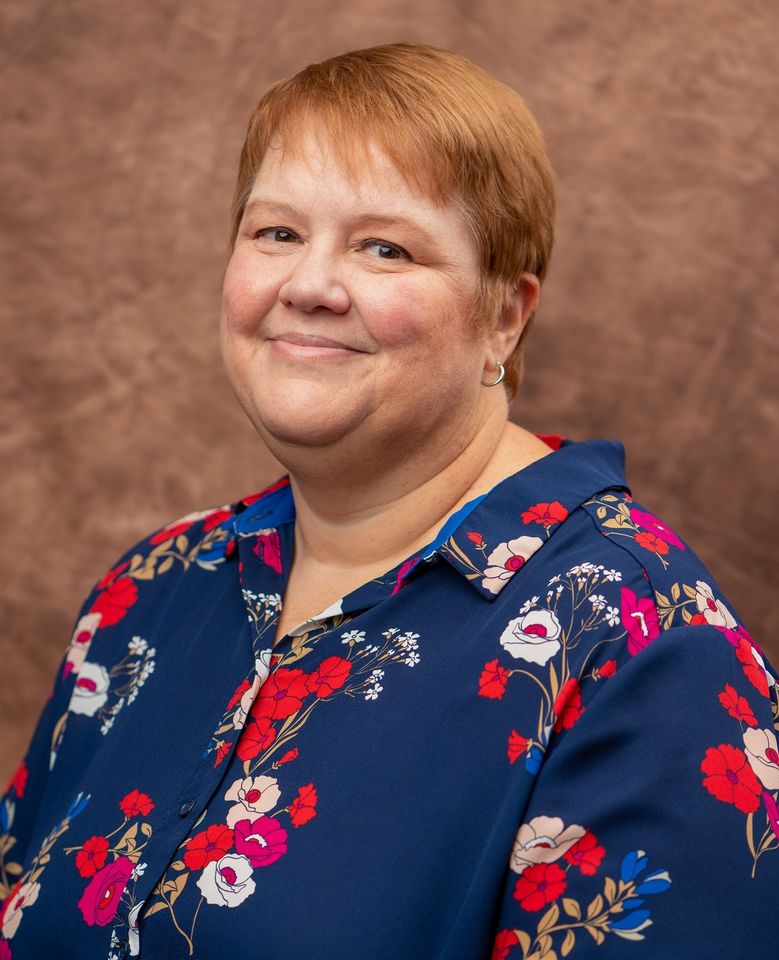
a smiling woman with short red hair, light skin, with a blue shirt with red floral and white pattern.
Tracy Michele Nornhold, M.Ed., Ed.D., OTR/L, EMT (ret), EMC,
Aspire OT Instructor

Tracy Michele Nornhold, M.Ed., Ed.D., OTR/L, EMT (ret), EMC, earned a Bachelor of Science in occupational therapy in 1988 from College Misericordia (now Misericordia University) in Dallas, Pennsylvania. She obtained a master’s degree in health education, with a concentration in community health education, from Pennsylvania State University in 1997 and completed a Doctor of Education in health sciences education from the University of St. Augustine for Health Sciences in 2021.

Tracy has experience in multiple clinical and academic settings, including inpatient mental health, inpatient rehabilitation, acute care, skilled nursing facilities, and home health. Her teaching roles have included guest lecturer, adjunct faculty, and full-time faculty positions in various occupational therapy programs.

Since high school, Tracy has participated in the emergency services. She completed her first Advanced First Aid class at the age of 14 and joined her local volunteer fire department at 16. In 1989, she finished the emergency medical technician course, receiving her OTR and EMT certifications on the same day. She worked and volunteered as an EMT for 30 years and served as an EMT instructor within her local community. In 2005, after a tornado affected her hometown, Tracy became involved in emergency management, advancing from staff member to planning chief. She currently serves as the emergency management coordinator for a regional emergency management agency covering four municipalities in South Central Pennsylvania.

Tracy is designing the Occupational Therapy Tool for Emergency Preparedness (OTTEP) to address clients’ emergency preparedness needs concerning their access and functional requirements. Her background as an OT practitioner and emergency manager guided her understanding of the specific risks and challenges facing individuals with access and functional needs during emergencies or disasters.


DISCLOSURES

Financial: Tracy is compensated as an Aspire OT instructor. 
Non Financial:  Tracy does not have any non-financial disclosures.

Emergency Preparedness in OT: Assessment and Intervention for Community-Dwelling Adults

This dynamic webinar will provide practical, evidence-informed strategies to help practitioners assess adult clients’ barriers, and access and functional needs to create an individualized emergency preparedness plan.

Debuts Thursday, May 28, 2026 at 8 pm Eastern

check out Aspire OT's Live webinars
We host monthly live webinars with a variety of topics. All taught by OTs and OTAs just for you!
standing woman holding another woman's arm

Aspire OT is a different kind of CEU company, owned by an OT & OTA. 

photo of diverse women and men with arms crossed and smiling
Created by OT practitioners JUST for  OT practitioners, our occupational therapy continuing education CEU courses allow you to advance your skills and help your clients.

Choosing Aspire OT for your CEU needs means you are supporting other OT and OTA instructors as well as our partner occupational therapy state associations.  

Aspire OT was created to provide exceptional evidence-based CEs at reasonable prices designed to meet the needs of occupational therapists and occupational therapy assistants in everyday practice.
check it out

All Access Subscription

12 months access to AOTA approved self-paced courses, live webinars, panel discussions and forums.  Plus easy access to our Straight to Work Handouts.
Wooden fence rail with word "Together" carved into it

Check out our upcoming webinars!

Want more?

Our CEU courses will provide you with practical strategies you can take straight to your OT practice. 

Don't Miss A Thing!

Follow us on social media to stay up to date on all of our latest postings.

Join our newsletter

Get weekly updates on new blog posts, webinars, on-demand courses and more right in your mailbox.
Thank you!

Disclaimer

The information contained in this blog is made available by Aspire OT for educational and informational purposes only.  Aspire OT is not a clinical or medical authority and any information  posted should not be intended as a substitute for any occupational therapy professional's clinical judgement. 

The information provided should not be viewed as professional advice, but rather for the purposes of general knowledge.  We present the information in an effort to assist  readers in their professional efforts. 

If Aspire OT, instructors, affiliates or authors make any comments or observations that are taken in offense by an individual or organization, it is not Aspire OT's intent to offend any religion or ethnic group, organization, company, club, association or any individual or anyone or anything.

Aspire OT strives to provide readers accurate information that can help them learn more about the topics covered, but Aspire OT cannot take personal or legal responsibility for how the information is used. 

While all of our blogs are edited and reviewed prior to publishing, Aspire OT cannot assure readers that all of the information provided will always be accurate or up to date. 

Statements on this blog reflect the author's personal opinions and do not represent the views or policies of Aspire OT, the author's employer, past or present, or any other organization with which the author or Aspire OT may be affiliated.   

Aspire OT reserves the right to change any and all content contained in the Aspire OT website and any services or features offered through the site at any time without notice.