Welcome to guest blogger:
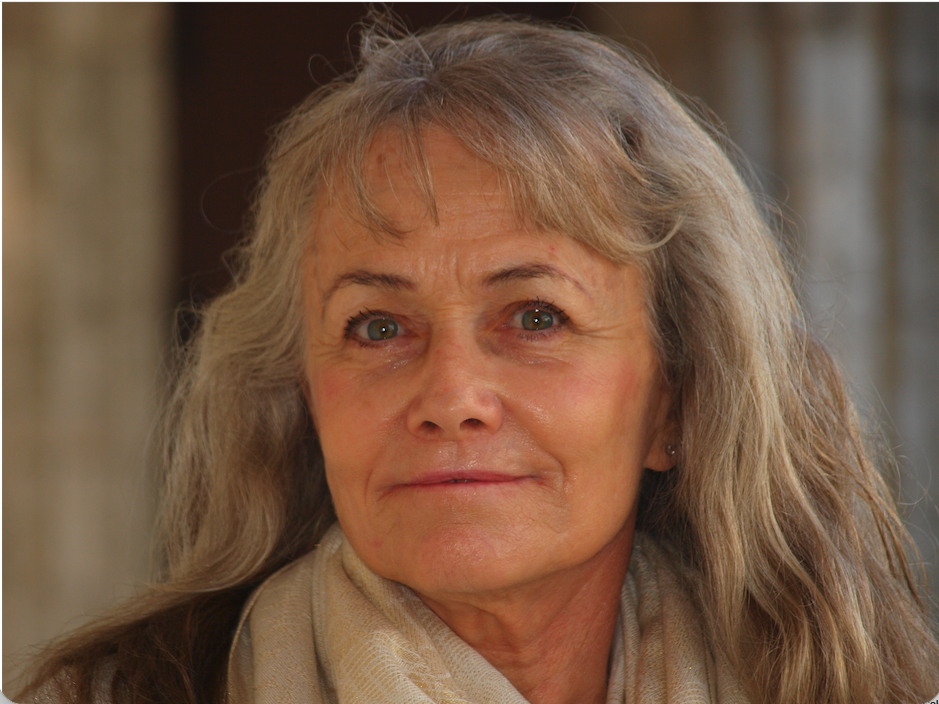
Toni Thompson, DrOT, OTR/L
Aspire OT is always excited to celebrate OTs, OTAs, and students who make an impact.
Toni Thompson, DrOT, OTR/L is an occupational therapist whose current passion is to educate occupational therapy practitioners to issues related to human trafficking and cultural humility as well as mentor doctoral students on trafficking and cultural humility capstones
Toni Thompson, DrOT, OTR/L is an occupational therapist whose current passion is to educate occupational therapy practitioners to issues related to human trafficking and cultural humility as well as mentor doctoral students on trafficking and cultural humility capstones
Understanding cultural competence and cultural humility begins with defining the core component: culture. Public policy, group directives, and personal perceptions often view “culture” as ethnic backgrounds, race, and languages used to guide services and actions. “Culture” guides, determines, and reflects laws, beliefs, morals, and social norms as they intertwine in roles, rituals, and occupations.
Beyond ethnicity, each person participates in the many cultures, perhaps music, sports, spirituality, celebrations, eating regimes, disabilities, political beliefs, jobs, social clubs, spirituality, gender, and socio-economic levels. More than a backdrop, culture becomes indistinguishably woven into foods, clothing, jewelry, hobbies, music, art, literature, and lifestyle. Pain, health, disability, health care are enmeshed with cultural elements. Our cultures envelop all aspects of activities of daily living (ADLs) which become the lens through which to negotiate the world. Many concepts, actions, and experiences serve to give us our stable, however subjective, ever-changing base.
CULTURAL COMPETENCE AND CULTURAL HUMILITY
Based on this wide view that culture touches all aspects of our lives, compare cultural competence and cultural humility. Cultural competence, “a set of congruent behaviors, attitudes, and policies,”. . . enables effective work in cross-cultural situations.” This emphasizes determining general approaches that guide policy, group actions, and personal approaches. Cultural humility encompasses attitudes and processes to value others through “continuous engagement in self-reflection and self-critique as life-long, reflective learners and reflective practitioners.” This focuses on the unique cultures of each person. Competence and humility work together.
Cultural competence suggests culture-specific guidelines to learn and apply to actions, generating concepts that may be true for many, but not all people. Many Hispanic people speak Spanish, leading to interpreter services and written materials in their language.
Cultural humility offers a path to view each person as culturally unique in an interactive relationship, expanding beyond the base of culturally competent concepts. Cultural humility recognizes that a Guatemalan family speaks one of 30 native tribal language, probably with Spanish as a second language.
PERSONAL SPACE AND CULTURE
Within many aspects of culture, level of personal space is often ascribed to vary among individuals and cultural groups. Observations often generalize that people in warmer climates and populous environments have closer personal space parameters than those in colder climates and less populated areas. Concepts of personal space are often ascribed to specific ethnic groups.
My adult children tell me that I tend to have poor personal space boundaries, and that I stand too close to everyone. Consider our cultures. Both my children work in a business culture. My son is developing another tech company. My daughter works with business clients on their finances. They sit across a desk or across the world on a media platform, attend business conferences, dinners, and social events. Then they go home to engage in the occupations that occupational therapy practitioners (OTP) do the entire workday of self-care, leisure, family activities in their roles as parents, spouses, friends, home repair person, host and more.
The nature of the occupational therapy (OT) culture lends to personal interaction, in personal body activities and emotionally intimate interactions. OTPs help our clients with toileting, showering, and other intimate activities. OTPs discuss intimate emotional concerns, lending to working in closer emotional and personal space than my children working in their business environments.
Consider the personal space in my family’s fitness cultures. My children engage in a fitness culture of the gym, group classes, golf, and pickleball, with little personal body touch. I engage almost daily in salsa dance, and swing dance cultures, with lots of close holding and touching between partners. My cultures lend to me having closer personal space than my children. With introspection, humor, and compassion, my children and I incorporate this cultural difference into our family lifestyle.
Do all OTPs have closer personal space? The answer depends on each one’s cultures. All aspects of activities of daily living (ADLs) unwittingly incorporate our cultural values and beliefs, to form our lens to view the world. Many concepts, actions, and experiences provide our subjective, stable vocational and lifestyle base.
CULTURAL COMPETENCE AND HUMILITY AT WORK
In the 1990s, at Shriners Hospitals for Children-Tampa, our OT staff worked with our dietary staff to include food popular with local Hispanic patients in daily menus. The populations included predominantly those from Puerto Rico, Mexico, Cuba, and Guatemala. The children and families enjoyed various kinds of beans, rice, chicken, yellow rice, and pork lechón, an excellent cultural competence approach. This simple menu change provided a more comforting environment. Staff and clients formed bonds over these familiar foods.
Hispanic vegetarian families coming to the hospital required a cultural humility approach to recognize that our now-standard offering required an evolution based on new learning. Two Uruguayan families stayed at the hospital for an extended period. After several days, they shared with me that they are Jewish and do not eat pork. They also shared that their diet was high in beef, while rice and beans are considered food for economically disadvantaged people. Our mindset and food offerings changed using a dynamic cultural humility approach.
Imagine the complexity of other aspects of culture in OT intervention, as personal touch, use of words, self-care routines, and home education programs. Eating routines, cooking, foods, utensils, and sitting position form essential cultural components that people engage in at least 3 times a day. Do we assume that everyone eats with the same utensils, same positioning, and same foods as us?
OCCUPATIONAL PRACTICE FRAMEWORK AND CULTURE
The Occupational Therapy Practice Framework (OTPF) provides a foundation for practice with five components: occupations, client factors, performance skills, performance patterns, and contexts and environments. In the OTPF, culture remains one of six distinct contexts and environments. Consider that culture forms an integral part of occupations, client factors, performance skills and patterns. I propose that interaction and intervention begin with a cultural-focused base involving all components of the OTPF rather than addressing culture as one factor to explore somewhere in the OT process. As an example, OTPs use a trauma-focused approach for the base of intervention with everyone who has experienced emotional, physical, sexual, or other trauma. Can culture be addressed as a foundational component that envelops all aspects of the OTPF?
DEVELOPING A CULTURALLY SENSITIVE MINDSET
To learn about cultures and to develop abilities for culturally sensitive care, several methods are suggested.
--Self-reflect on personal values, beliefs, and actions, as a basis to develop
objectivity with others.
--Travel to and dine in local ethnic communities.
--Visit a local ethnic grocery store, or an ethnic or vegan bakery.
--Attend multicultural festivals.
--Travel to international locations, including volunteer trips.
--Perform volunteer service in an unfamiliar service area.
--Read and watch cultural videos.
--Listen to international podcasts.
--Watch international films and documentaries.
--Join local clubs to learn about various sports, interests, and other cultures.
These actions can prove effective to improve sensitivity when approached with an open mind. Actively asking questions at everyone’s comfort level opens the door to understand what is going on. Developing optimal questions is an on-going process. In meeting a person from another place, I used to ask, “where are you from?” I now tend to ask, “where’s home for you?” or “how many languages do you speak?” Honing a process to ask about foods, habits, and behaviors is a life-long process of cultural humility.
MAKE MISTAKES
An essential aspect of learning about cultures is accepting that mistakes and missteps happen. Sometimes words, actions, or questions come out wrong. Admitting a mistake, apologizing, and going forward defines the path to cultural learning. When I began working in Ecuador in the Peace Corps, the group home offered a small welcome event. Making small talk, I asked the Director about his daughters. Instead of asking how many years (años) they were, I asked how many rectums (anos) they had. He quickly snapped, “One, like everyone else.” I asked him to clarify, then blushed, and apologized. Mutual grace and humor started our project with a spirit of humility, understanding, and working together for the next two years.
SUMMARY
Culture is enmeshed in all aspects of our occupations, roles, rituals, and lifestyle. Active exploration of various cultures can facilitate awareness to incorporate cultural competence in policies, laws, work approaches, and personal actions. Cultural humility includes self-reflection and self-critique in a life-long learning process focused on addressing unique aspects and cultures of each person in personal actions and in professional interventions.
Basic Cultural Competence and Cultural Humility Resources
Agner, J. (2020). Moving From cultural competence to cultural humility in occupational therapy: A paradigm shift. American Journal of Occupational Therapy, July/August(74)4.
Link
Black, R. M., & Wells, S. A. (2007). Culture and occupation: a model of empowerment in occupational therapy. Bethesda, MD: AOTA Press.
Black, R. M., Wells, S. A., & Gupta, J. (2016). Culture and occupation: effectiveness for occupational therapy practice, education and research. Bethesda, MD: AOTA Press.
Tervalon, M., & Murray-Garcia, J. (1998). Cultural humility versus cultural competence: A critical distinction in defining physician training outcomes in multicultural education. Journal of Health Care for the Poor and Underserved, 9, 117–125. Link
Black, R. M., & Wells, S. A. (2007). Culture and occupation: a model of empowerment in occupational therapy. Bethesda, MD: AOTA Press.
Black, R. M., Wells, S. A., & Gupta, J. (2016). Culture and occupation: effectiveness for occupational therapy practice, education and research. Bethesda, MD: AOTA Press.
Tervalon, M., & Murray-Garcia, J. (1998). Cultural humility versus cultural competence: A critical distinction in defining physician training outcomes in multicultural education. Journal of Health Care for the Poor and Underserved, 9, 117–125. Link
Cultural Competence and Cultural Humility: Enhancing Occupational Therapy Practice Through Better Understanding
Tuesday August 4, 2026
7 pm CT/ 8 pm ET
$20, 1.Contact hour
AOTA Approved for CEs
7 pm CT/ 8 pm ET
$20, 1.Contact hour
AOTA Approved for CEs

Aspire OT is a different kind of CEU company, owned by an OT & OTA.

Choosing Aspire OT for your CEU needs means you are supporting other OT and OTA instructors as well as our partner occupational therapy state associations.
Aspire OT was created to provide exceptional evidence-based CEs at reasonable prices designed to meet the needs of occupational therapists and occupational therapy assistants in everyday practice.
All Access Subscription
Earn up to 25.5 CE hours,
Self-paced and monthly webinars
AOTA Approved
Self-paced and monthly webinars
AOTA Approved

Check out our upcoming webinars!
Want more?
Our CEU courses will provide you with practical strategies you can take straight to your OT practice.
Don't Miss A Thing!
Follow us on social media to stay up to date on all of our latest postings.
Join our newsletter
Get weekly updates on new blog posts, webinars, on-demand courses and more right in your mailbox.
Thank you!
Write your awesome label here.
Need a mentor?
Niccole and Kim would love to support you in your OT journey!
Just for OT Coaching is here to help you! Let Kim and Niccole share their experiences in clinical practice and professional leadership to help you achieve better outcomes.
Disclaimer
© Copyright Aspire OT 2026. All rights reserved.