Dec 18 / Guest blogger and occupational therapist: Tracy Nornhold, Med, OTR/L EMT(ret), EMC

Emergency Preparedness and the Occupational Therapy Practitioner


Welcome to guest blogger and occupational therapist:
Tracy Nornhold, MEd, EdD, OTR/L, EMT(ret), EMC
Inclusivity Emergency Preparedness, LLC, Owner/consultant
Project PrOTect, associate creator
Western Lebanon County Regional Emergency Management Agency, Emergency Management Coordinator


Introduction
You may wonder why occupational therapy practitioners should be concerned about emergency preparedness. If you consider the OT Practice Framework, safety procedures and emergency responses are an IADL! This includes emergency and disaster preparedness.

Although the terms "emergency" and "disaster" are often used interchangeably, there is a distinct difference. Emergencies are unexpected situations that require immediate action and can have various causes, such as accidents, fires, or medical crises. Individuals or first responders can manage emergencies. Conversely, disasters tend to be more extensive and severe. They cause significant damage and disruption to communities. Disasters necessitate a coordinated response from multiple organizations, led by emergency managers.

Empty space, drag to resize

As an emergency manager, I am often asked who should be prepared and why.

Who is easy! Everyone needs to be prepared. In 2011, President Barack Obama issued a National Directive that, in part, states:


“This directive is aimed at strengthening the security and resilience of the United States through systematic preparation for the threats that pose the most significant risk to the security of the Nation, including acts of terrorism, cyber-attacks, pandemics, and catastrophic natural disasters. Our national preparedness is the shared responsibility of all levels of government, the private and nonprofit sectors, and individual citizens. Everyone can contribute to safeguarding the Nation from harm. As such, while this directive is intended to galvanize action by the Federal Government, it also aims to facilitate an integrated, all-of-Nation, capabilities-based approach to preparedness.”


So, why should you (and your clients) be prepared? Perhaps you have never experienced a disaster in your community, but I bet you know someone who has. Consider the people in Western North Carolina who were affected by the life-altering floods earlier this year. They never expected such a level of flooding to occur in their communities. As a nation, we are experiencing climate change that has altered the area known as ‘tornado alley’. It is moving east and affecting towns that have never experienced tornadoes before. I could go on and on… But to give you a better perspective, here are several reasons for disaster preparedness:

• Being prepared saves lives. Knowing what to do can be the difference between life and death, for example, choosing to shelter in place or evacuate.

• Having a plan in place reduces your fear and anxiety during a disaster.

• Community preparedness means that resources are in place, possible damage from hazards can be minimized, and recovery is faster.

• Depending on your circumstances, local emergency responders may not be able to get to you right away. Everyone needs to be prepared to be on their own for at least 72 hours. This includes having enough food, water, and medical supplies on hand.

• When a community and individuals are prepared, economic losses can be diminished in the areas of relief and rehabilitation costs.

• Preparedness creates a sense of safety and security for our most vulnerable, such as children, the elderly, and people with access and functional needs.

(FEMA, n.d.)


Empty space, drag to resize

Steps to helping our clients be better prepared:

1. Identify safety issues and create a remediation plan (i.e., installing smoke detectors, recommending purchase of a weather radio, identifying barriers to emergency preparedness)

2. Establish an evacuation plan. Identify at least two ways out. Practice the plan.

3. Develop a client-specific emergency kit. Assist with packing the kit as needed. Consider shelter-in-place vs evacuation needs. Don’t forget their essential medications and devices!

4. Create an emergency contact list and keep it in a visible place, such as the refrigerator.

5. Create a caregiver information sheet. Consider what the client would need help with during an emergency, whether it's sheltering in place or evacuating to a mass care shelter.

6. Provide information for the emergency care of pets and livestock as needed.

Every state emergency management agency has a website that provides educational materials specific to that region, as well as emergency go-kit checklists. Fema.gov and Ready.gov are also great sites for information. Please take a moment to explore these resources. You can print out guides to share with your clients.

I’ve only scratched the surface of OT’s role in emergency preparedness. Occupational therapy practitioners can play a vital, multifaceted role in emergency preparedness and disaster response. Our skills encompass personal and organizational preparedness, as well as supporting communities and clients with diverse functional needs. Our profession can take an expansive view of safety and emergency maintenance, integrating skills such as risk assessment, emergency planning, and safety protocols into daily practice. What will be your role in emergency preparedness?

FEMA. (n.d.). Why Prepare? https://www.fema.gov/pdf/areyouready/why_prepare.pdf


Empty space, drag to resize

Instructor bioS
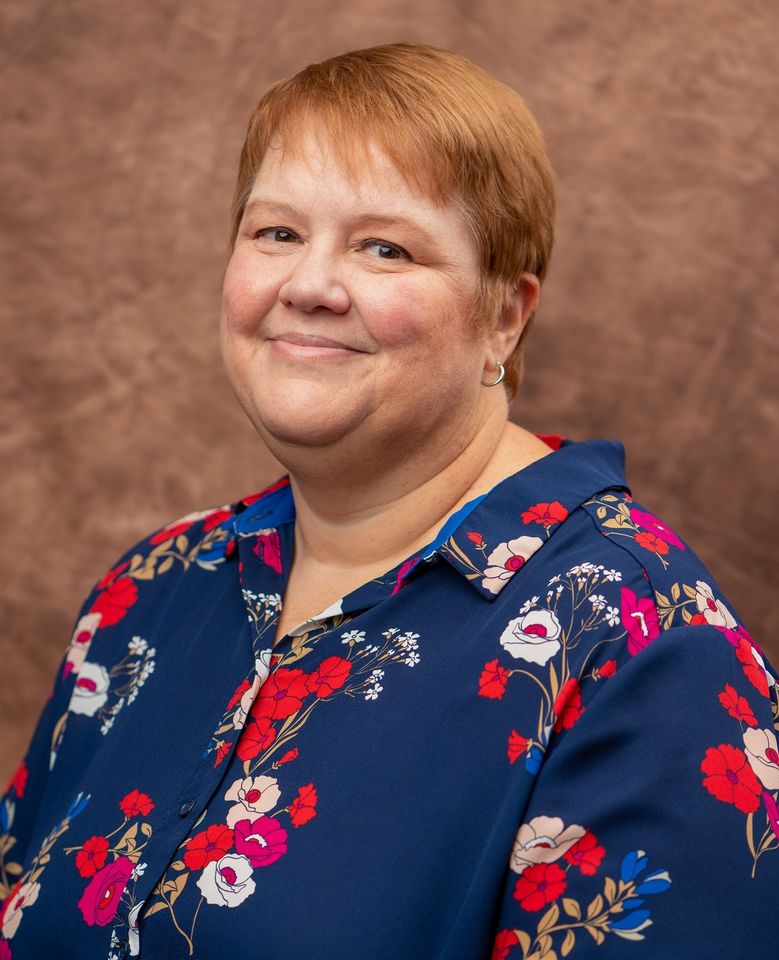
a smiling woman with short red hair, light skin, with a blue shirt with red floral and white pattern.
Tracy Michele Nornhold, M.Ed., Ed.D., OTR/L, EMT (ret), EMC,
Aspire OT Instructor

Tracy Michele Nornhold, M.Ed., Ed.D., OTR/L, EMT (ret), EMC, earned a Bachelor of Science in occupational therapy in 1988 from College Misericordia (now Misericordia University) in Dallas, Pennsylvania. She obtained a master’s degree in health education, with a concentration in community health education, from Pennsylvania State University in 1997 and completed a Doctor of Education in health sciences education from the University of St. Augustine for Health Sciences in 2021.

Tracy has experience in multiple clinical and academic settings, including inpatient mental health, inpatient rehabilitation, acute care, skilled nursing facilities, and home health. Her teaching roles have included guest lecturer, adjunct faculty, and full-time faculty positions in various occupational therapy programs.

Since high school, Tracy has participated in the emergency services. She completed her first Advanced First Aid class at the age of 14 and joined her local volunteer fire department at 16. In 1989, she finished the emergency medical technician course, receiving her OTR and EMT certifications on the same day. She worked and volunteered as an EMT for 30 years and served as an EMT instructor within her local community. In 2005, after a tornado affected her hometown, Tracy became involved in emergency management, advancing from staff member to planning chief. She currently serves as the emergency management coordinator for a regional emergency management agency covering four municipalities in South Central Pennsylvania.

Tracy is designing the Occupational Therapy Tool for Emergency Preparedness (OTTEP) to address clients’ emergency preparedness needs concerning their access and functional requirements. Her background as an OT practitioner and emergency manager guided her understanding of the specific risks and challenges facing individuals with access and functional needs during emergencies or disasters.


DISCLOSURES

Financial: Tracy is compensated as an Aspire OT instructor. 
Non Financial:  Tracy does not have any non-financial disclosures.

Emergency Preparedness in OT: Assessment and Intervention for Community-Dwelling Adults

This dynamic webinar will provide practical, evidence-informed strategies to help practitioners assess adult clients’ barriers, and access and functional needs to create an individualized emergency preparedness plan.

Debuts Tuesday, January 6, 2026 at 8 pm Eastern

check out Aspire OT's Live webinars
We host monthly live webinars with a variety of topics. All taught by OTs and OTAs just for you!
standing woman holding another woman's arm

Aspire OT is a different kind of CEU company, owned by an OT & OTA. 

photo of diverse women and men with arms crossed and smiling
Created by OT practitioners JUST for  OT practitioners, our occupational therapy continuing education CEU courses allow you to advance your skills and help your clients.

Choosing Aspire OT for your CEU needs means you are supporting other OT and OTA instructors as well as our partner occupational therapy state associations.  

Aspire OT was created to provide exceptional evidence-based CEs at reasonable prices designed to meet the needs of occupational therapists and occupational therapy assistants in everyday practice.
check it out

All Access Subscription

12 months access to AOTA approved self-paced courses, live webinars, panel discussions and forums.  Plus easy access to our Straight to Work Handouts.
Wooden fence rail with word "Together" carved into it

Check out our upcoming webinars!

Want more?

Our CEU courses will provide you with practical strategies you can take straight to your OT practice. 

Don't Miss A Thing!

Follow us on social media to stay up to date on all of our latest postings.

Join our newsletter

Get weekly updates on new blog posts, webinars, on-demand courses and more right in your mailbox.
Thank you!

Disclaimer

The information contained in this blog is made available by Aspire OT for educational and informational purposes only.  Aspire OT is not a clinical or medical authority and any information  posted should not be intended as a substitute for any occupational therapy professional's clinical judgement. 

The information provided should not be viewed as professional advice, but rather for the purposes of general knowledge.  We present the information in an effort to assist  readers in their professional efforts. 

If Aspire OT, instructors, affiliates or authors make any comments or observations that are taken in offense by an individual or organization, it is not Aspire OT's intent to offend any religion or ethnic group, organization, company, club, association or any individual or anyone or anything.

Aspire OT strives to provide readers accurate information that can help them learn more about the topics covered, but Aspire OT cannot take personal or legal responsibility for how the information is used. 

While all of our blogs are edited and reviewed prior to publishing, Aspire OT cannot assure readers that all of the information provided will always be accurate or up to date. 

Statements on this blog reflect the author's personal opinions and do not represent the views or policies of Aspire OT, the author's employer, past or present, or any other organization with which the author or Aspire OT may be affiliated.   

Aspire OT reserves the right to change any and all content contained in the Aspire OT website and any services or features offered through the site at any time without notice.