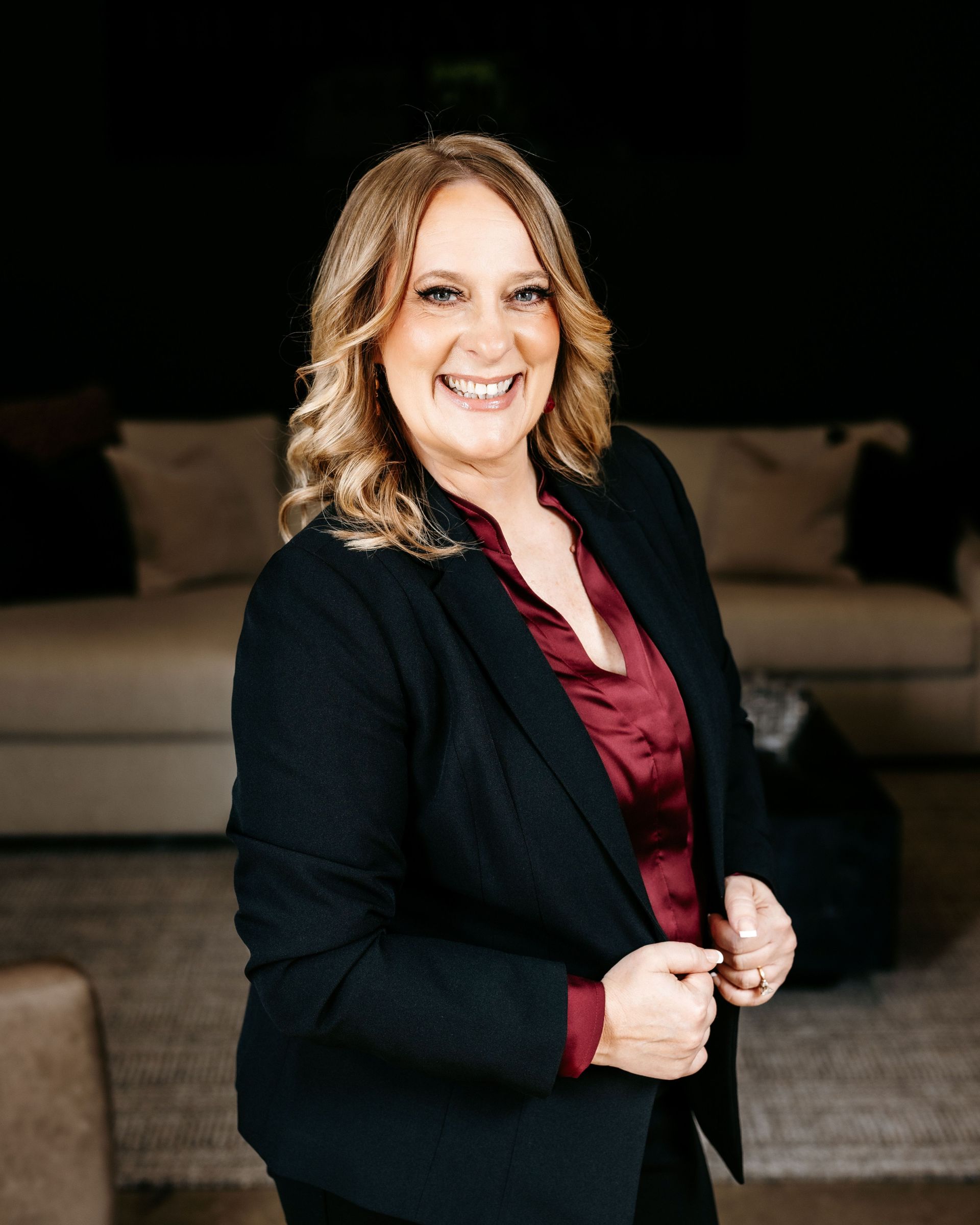
Aspire OT Founding Partner and occupational therapist, Kimberly Breeden, MS, OTR/L
Introduction
Have you ever completed a CE course provided by another discipline or even an OT practitioner, only to return to work and still feel unsure how to apply what you learned to real-life clients?
Do you ever face clinical challenges and wish you could ask another OT practitioner what to do?
Do you ever feel discouraged when you have tried “everything” but nothing works?
From ADLS and IADLs to sleep, rest, pain management, and medication management, occupational therapy spans an incredible range of interventions. Yet many professional development courses require passive listening and provide textbook protocols rather than practical, everyday strategies that work for actual clients. As practitioners, we know that some of the most successful approaches are learned from trial and error as well as experience.
Empty space, drag to resize
In This Blog
If you’re searching for occupational therapy professional development that makes your job easier and feels practical and relevant—not just theoretical—you’re not alone. In this blog, you’ll learn why our shared-learning Tried-and-True webinar series creates stronger clinical reasoning, more adaptable interventions, and a renewed sense of professional connection across all practice areas.
Here’s what we’ll cover in this blog:
• Why passive occupational therapy webinars limit real-world application
• How peer-driven learning strengthens OT interventions
• Why community-based learning builds clinical confidence
Empty space, drag to resize
Why Traditional Occupational Therapy Professional Development Falls Flat
Occupational therapy practitioners seek continuing education to improve outcomes in their practice. But traditional formats often fail to translate into real-world practice.
They typically provide:
• One expert perspective without multi-setting input
• Limited discussion of cost, compliance, or environmental barriers
• Minimal time for case-specific problem-solving
• Strategies presented without cultural or contextual adaptation
• Information overload without implementation support
Consider how complex everyday OT interventions truly are, from dressing and bathing to medication management and sleep hygiene. They may seem basic and easy to carry out, but in practice we see that what works for one client will not work for another. Without collaborative discussion to assist with occupational analysis and professional reasoning, clinicians can feel discouraged when facing new or challenging client situations.
Empty space, drag to resize
How Shared Learning Strengthens Occupational Therapy Interventions
Occupational therapy thrives on adaptation. Let’s face it, most academic and professional education do not spend much time focusing on adapting and modifying occupations. When clinicians share their real-life strategies across practice areas, interventions become more flexible and client centered.
Our Tried-and-True series provides OTs and OTAs the opportunity to:
• Share modifications that improved independence in challenging situations
• Offer creative solutions for occupational challenges such as medication management and feeding
• Discuss strategies that have been found to actually work
• Compare approaches and considerations across settings
• Exchange low-cost adaptations that increase adherence
• Be “Better Together”! A group of OT practitioners are going to develop better solutions than just one OT or OTA.
Instead of one correct answer, participants share multiple variations of intervention strategies shaped by context, resources, experience and client needs.
Empty space, drag to resize
Why Shared Learning OT Professional Development Builds Clinical Confidence
Clinical competence grows through discussion, reflection, experience and shared problem-solving—not just listening. The most effective strategies that I use I learned from my clients or other OT practitioners.
In a shared-learning approach:
• New graduates can gain reassurance and practical insights from experienced practitioners
• Experienced clinicians refine and validate their reasoning and even learn new approaches
• OTs and OTAs feel less isolated in routine or complex cases
• Shared failures normalize clinical pivots, we all hit roadblocks sometimes. It is comforting to know you are not the only one.
• Perspective from different settings broadens intervention options, inpatient practitioners and home health practitioners have different experiences, when shared, can benefit each other
Community-driven professional development fosters a sense of community, support, collaborative reasoning, and real-time troubleshooting across all OT practice areas. I have practiced for over 30 years but have left every Tried-and-True course with new ideas and strategies that I can use in my home heath practice.
.
Empty space, drag to resize
Rethinking Occupational Therapy Professional Development
Passive webinars limit real-world clinical application. Peer-driven learning strengthens OT interventions across practice areas. Shared learning builds clinical confidence and connection.
When professional development becomes collaborative rather than passive, occupational therapy practitioners walk away with adaptable strategies that can make their jobs easier and clients more successful—not just notes and a certificate.
Join the Tried-and-True series and bring your favorite strategy to share. Explore upcoming session topics to become part of a growing OT community committed to practical, everyday solutions.